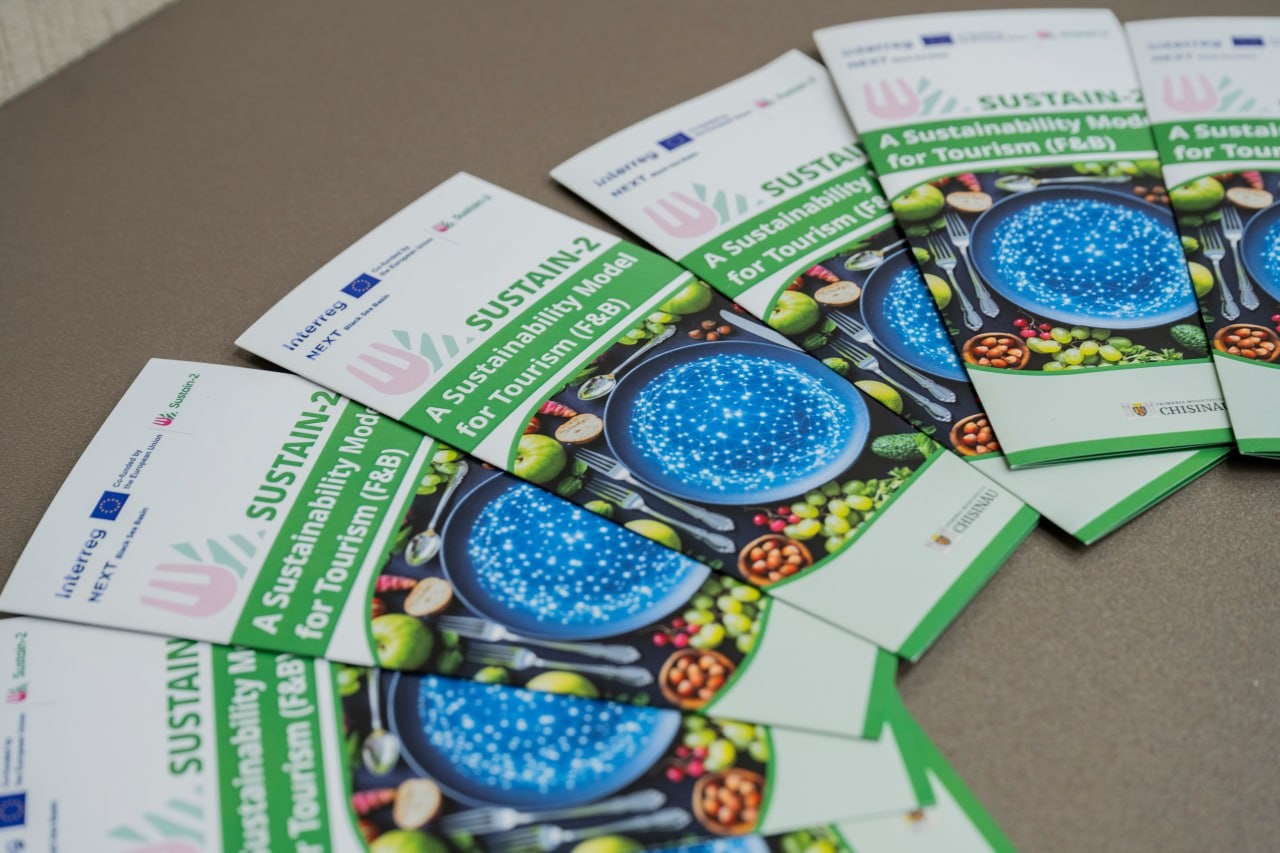
SUSTAIN-2 - A Sustainability Model for Tourism (Food & Beverage) is a European Union co-funded project implemented under the Interreg NEXT Black Sea Basin Programme, bringing together partners from Greece, Moldova, Bulgaria, Türkiye, and Ukraine to promote sustainability within the tourism ecosystem through the transformation of the Food & Beverage (F&B) sector.
As tourism continues to grow across Europe and the Black Sea region, Food & Beverage businesses are facing increasing environmental, social, and economic challenges. Rising food waste, inefficient use of natural resources, growing operational costs, changing consumer expectations, and the need to comply with emerging sustainability standards have highlighted the importance of adopting more responsible business practices. While many businesses recognise the value of sustainability, small and medium-sized enterprises often lack practical guidance, accessible tools, and the technical capacity needed to integrate sustainable approaches into their daily operations.
SUSTAIN-2 has been developed to address these challenges by promoting a practical, collaborative, and innovation-driven approach to sustainability in the tourism sector. The project supports the development of a Simplified Sustainability Model (SSM) based on Environmental, Social and Governance (ESG) principles, specifically tailored to the needs of Food & Beverage businesses. Rather than offering theoretical recommendations, the project provides practical methodologies and decision-support tools that enable businesses to assess their current sustainability performance, identify improvement opportunities, and gradually adopt more sustainable business practices.
To achieve these objectives, SUSTAIN-2 combines research, stakeholder participation, capacity building, and pilot implementation activities throughout the project lifecycle. The project begins by identifying and engaging relevant stakeholders, including public authorities, local governments, universities, chambers of commerce, tourism organisations, civil society organisations, suppliers, and Food & Beverage businesses. Through stakeholder mapping, surveys, interviews, workshops, and consultation meetings, the project gathers valuable insights into the current sustainability practices, challenges, and expectations of the sector.
Based on the findings of these consultations, project partners will jointly develop the Simplified Sustainability Model and establish a comprehensive Good Practices Database, bringing together successful examples, sustainability guidelines, research findings, policy documents, and practical resources that can support businesses in their sustainability journey. This knowledge base will serve as a long-term reference for tourism stakeholders across the Black Sea region.
Recognising that sustainable transformation also requires knowledge and skills, SUSTAIN-2 places strong emphasis on awareness raising and capacity building. Sustainability awareness events, school presentations, educational workshops for families, stakeholder meetings, and specialised training programmes for Sustainability Mentors will increase understanding of ESG principles while encouraging responsible production and consumption within the tourism ecosystem. These activities aim not only to inform businesses but also to involve local communities and future generations in the transition towards a more sustainable tourism sector.
One of the project's most innovative outputs is the development of AIRES (Artificial Intelligence Recommendation System). Built upon the project findings, the Good Practices Database, and the Simplified Sustainability Model, AIRES will provide tailored recommendations to Food & Beverage businesses by analysing their sustainability performance and suggesting practical actions for continuous improvement. The integration of Artificial Intelligence into sustainability management will enable businesses to make more informed decisions while supporting the wider objective of increasing research and innovation capacities within the Black Sea region.
To validate the effectiveness of the developed methodology, the Simplified Sustainability Model and AIRES will be tested through pilot implementations in selected Food & Beverage establishments across the partner countries. During this process, participating businesses will receive guidance from trained Sustainability Mentors, while their experiences and feedback will be used to further refine both the model and the AIRES recommendation system before their wider dissemination.
Recognising that sustainable transformation requires continuous learning and collaboration, SUSTAIN-2 will also develop EduConnect, an open-access digital learning and collaboration platform. EduConnect will provide a central hub where businesses, public authorities, researchers, educators, and other stakeholders can access educational materials, best practices, project outputs, training resources, and sustainability-related content. Beyond serving as a knowledge repository, the platform will foster networking, knowledge exchange, and collaborative learning, ensuring that the project's results remain accessible and continue creating value long after the project has been completed.
By combining research, innovation, stakeholder participation, and cross-border cooperation, SUSTAIN-2 contributes to the development of a more competitive, resilient, and smart Black Sea region. Beyond supporting individual businesses, the project seeks to establish a long-term culture of sustainability, encourage responsible tourism practices, strengthen local economies, and create lasting value for communities across the participating countries.
The Interreg NEXT Black Sea Basin Programme 2021–2027 is a European Union-funded cross-border cooperation programme that promotes sustainable development and regional cooperation among countries in the Black Sea Basin. As part of the European Union's Cohesion Policy and the European Neighbourhood Policy, the programme provides a common framework for public authorities, research institutions, universities, civil society organisations, and other stakeholders to work together in addressing shared regional challenges through joint projects.
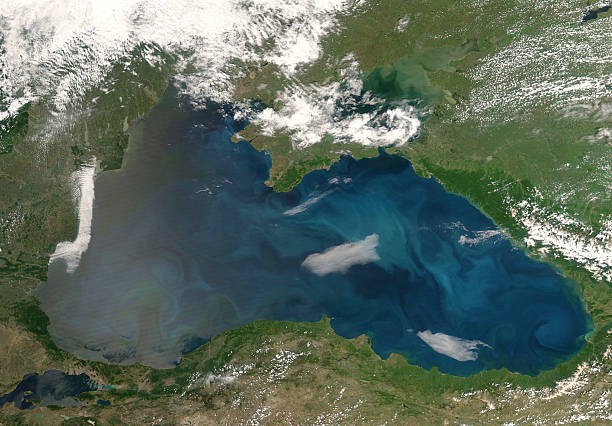
The eligible programme area includes regions from Armenia, Bulgaria, Georgia, Greece, the Republic of Moldova, Romania, Türkiye, and Ukraine. These countries share common challenges, including environmental degradation, climate change, inefficient use of natural resources, and the need for more sustainable economic development. Recognising that such issues extend beyond national borders, the programme encourages partners to work together to develop practical, innovative, and transferable solutions that contribute to the sustainable development of the Black Sea region.
The overall objective of the Programme is to deepen cross-border cooperation in a transnational configuration by supporting projects that generate tangible and lasting benefits for the region. Rather than financing isolated national initiatives, the Programme provides financial support to eligible cross-border projects that demonstrate strong partnership, innovation, and relevance to the Programme's priorities. In this way, it serves as both a funding instrument and a cooperation framework, enabling organisations from different countries to work together towards common objectives.
For the 2021–2027 programming period, the Programme is structured around four specific objectives:
• Developing and enhancing research and innovation capacities and supporting the uptake of advanced technologies;
• Promoting climate change adaptation and disaster risk prevention, contributing to greater regional resilience;
• Enhancing the protection and preservation of nature, biodiversity, and green infrastructure, while reducing pollution and encouraging the sustainable management of natural resources;
• Building mutual trust, particularly through people-to-people cooperation and stronger institutional partnerships.
These priorities reflect the Programme's commitment to fostering innovation, environmental sustainability, and social cohesion throughout the Black Sea Basin. By encouraging organisations to jointly develop and implement solutions, the Programme contributes to strengthening regional cooperation while supporting sustainable economic and environmental development.
By providing financial assistance, common implementation rules, and a structured framework for international cooperation, the Interreg NEXT Black Sea Basin Programme enables eligible projects to transform shared challenges into joint opportunities, reinforcing sustainable development and regional cooperation across the Black Sea Basin.